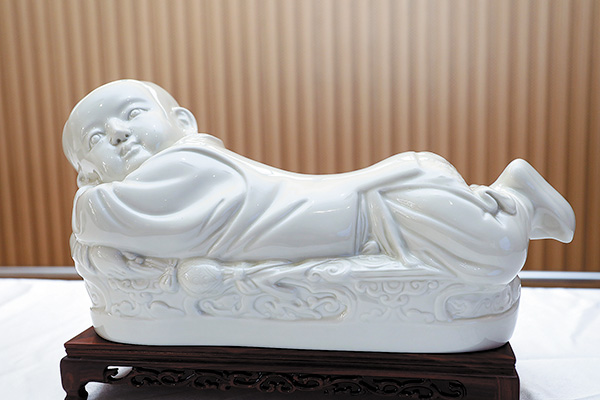
Ding Porcelain
Introduction
Ding Porcelain, originating from the Ding Kiln in Quyang county, Hebei province, is renowned for its exquisite white ceramics. It is recognized as one of the "five great kilns" of ancient China. The Ding Porcelain is celebrated for its elegant craftsmanship and unique aesthetic qualities. The porcelain produced in this region is characterized by its ivory-white glaze and thin, delicate structure, often described as "thin as paper, white as jade". The Ding Porcelain has been highly prized since the Northern Song Dynasty (960-1127) and holds a significant place in China's cultural heritage.
History
Origin and Development
The Ding Kiln's history dates back to the Tang Dynasty (618-907), but it gained prominence during the Northern Song Dynasty. The kiln's location in Quyang county, originally under the administration of Dingzhou in Hebei province, is the origin of its name. The Ding Kiln became well-known for producing white porcelain with a clear, smooth glaze that was both aesthetically pleasing and technically advanced for its time. This period marked the height of Ding Kiln's production, with its porcelain highly sought after both domestically and internationally.
Historical Significance
Ding Porcelain holds a distinguished place in Chinese ceramic history. It represents the zenith of ancient Chinese aesthetics and is a testament to the advanced ceramic techniques of the Song Dynasty (960-1279). The porcelain is known for its artistic design, often incorporating intricate decorations such as incised or molded floral motifs. The Ding Kiln's production techniques and artistic styles significantly influenced later developments in Chinese ceramics. Moreover, its products were not only used in domestic markets but also exported, showcasing the cultural exchange fostered through porcelain trade.
Characteristics
Material and Techniques
Ding Porcelain is primarily known for its use of fine, white clay that contributes to its characteristic ivory-white glaze. The traditional firing technique includes several meticulous processes such as clay wedging, throwing, decoration through carving or cutting, glazing and glaze firing. These techniques ensure the production of high-quality porcelain that is both durable and visually appealing. The firing process, in particular, is crucial as it determines the porcelain's final texture and color, contributing to its unique translucency and delicate appearance.
Design and Decoration
The design of Ding Porcelain is noted for its simplicity and elegance. Common decorative themes include floral patterns and auspicious symbols, often incised or molded into the surface before glazing. The designs are subtle, enhancing the natural beauty of the porcelain without overwhelming it. The aesthetic focus is on clean lines and harmonious proportions, which reflect the refined taste of the Song Dynasty. Notable pieces, such as the baby-shaped pillow known as hai'er zhen, often portray symbolic motifs like flowers and clouds, adding layers of meaning to the artwork.
Notable Examples
One of the most celebrated pieces of Ding Porcelain is the baby-shaped pillow, or hai'er zhen, from the Northern Song Dynasty. This piece is housed in the Palace Museum in Beijing and is considered a national treasure. The pillow's design features a baby boy lying on his belly, adorned with floral and cloud patterns symbolizing auspiciousness. Its craftsmanship exemplifies the technical and artistic mastery of Ding Kiln artisans. The pillow not only represents the high level of skill required to produce such delicate porcelain but also illustrates the cultural significance of Ding Porcelain in ancient China.
Influence and Legacy
The influence of Ding Porcelain extends far beyond its historical period of production. Its stylistic and technical innovations set a standard for later Chinese ceramics, inspiring kilns across the country. The porcelain's elegant simplicity and technical excellence influenced subsequent ceramic traditions, including those of the Yuan (1271-1368) and Ming (1368-1644) dynasties. Furthermore, the techniques and aesthetics of Ding Porcelain have been studied and adapted by modern ceramic artists, ensuring its legacy continues in contemporary ceramic practices. The Ding Kiln's legacy is also preserved through its inclusion in national intangible cultural heritage lists, reflecting its enduring cultural significance.
Conservation and Preservation
Efforts to preserve Ding Porcelain and its traditional techniques have been ongoing, especially following the decline of production in the late Yuan Dynasty. In 1922, historian Ye Linzhi discovered the Ding Kiln site, sparking renewed interest in its preservation. Today, Ding Porcelain firing techniques are recognized as a national intangible cultural heritage. Museums, such as the Palace Museum in Beijing, play a critical role in conserving these artifacts, providing insights into ancient Chinese craftsmanship. Preservation efforts also include archaeological studies and exhibitions that educate the public about the historical and cultural importance of Ding Porcelain.
Modern Recognition and Cultural Impact
In contemporary times, Ding Porcelain continues to receive recognition for its cultural and artistic value. It has inspired various artistic endeavors, including dance dramas and exhibitions, that celebrate its historical significance and aesthetic beauty. The planned premiere of a dance drama centered on the baby-shaped pillow from the Northern Song Dynasty highlights the porcelain's influence on modern culture. Moreover, collaborations between cultural institutions and media platforms have helped bring Ding Porcelain to a wider audience, fostering a deeper appreciation of traditional Chinese culture. Through these efforts, Ding Porcelain remains an integral part of China's cultural identity.








